Table Of Content
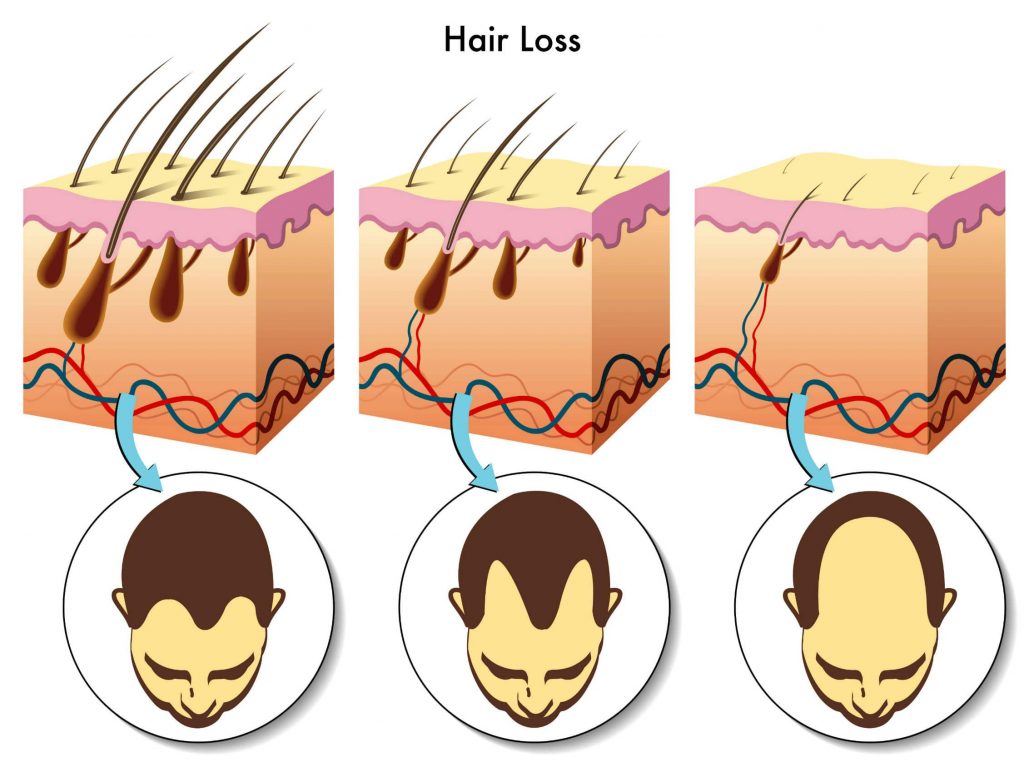
The short, stubby hairs in the areas that have been pulled repeatedly have probably the moistest, juiciest bulbs of all. Hair follicles are part of your skin that are responsible for growing your hair. If you accidentally pull out a strand of your hair and it has a ball (bulb) on the end of it, you didn’t pull out the follicle, and instead, you removed your hair root. If you notice you’re not growing hair in an area that you used to grow hair, talk to your healthcare provider.
Traction alopecia: Symptoms and prevention
What You Need To Know Before Pulling Out Grey Hairs Best Health - Best Health Magazine Canada
What You Need To Know Before Pulling Out Grey Hairs Best Health.
Posted: Thu, 25 Feb 2021 23:21:26 GMT [source]
Generally speaking, the sooner you start treatment, the more options you have and the better your results, dermatologists say. “As soon as you notice hair loss is happening, you should come in,” says Lauren Eckert Ploch, a dermatologist in Aiken, South Carolina. In many cases, a person’s hair will return to its usual state once a doctor has treated the underlying condition.
Can folliculitis be prevented?
Monilethrix can also affect hair in other regions of the body. Trichotillomania occurs when an individual plucks out their own hair. Often the hair on the scalp is plucked to leave bald patches, but the individual may focus on the eyelashes, eyebrows, pubic hair, or any other hair-bearing region. There is much argument about whether trichotillomania is a habit like nail biting, or a more psychological problem. Either way, affected individuals are usually not aware that they are plucking their hair, and when they are made aware of it they often find it very hard to stop. There may be a genetic problem behind the syndrome and the condition can run in families, but there are also many isolated case reports with no family history.
Remove Build-Up with a Scalp Treatment
If you have alopecia, you can help hold onto your tresses by avoiding behaviors that are known to contribute to temporary and permanent hair loss, Mirmirani says. Some small, limited studies have found that certain supplements and shampoos could be helpful, dermatologists say. A 2018 review suggests that a vitamin D deficiency may link to hair loss.
You may want to regard these as "baby hair" that will eventually grow in thick and strong. It’s important to keep the scalp clean and purified, so hair follicles don’t become blocked or infected. That means, if clients are prone to oily roots or tend to use a lot of product, they should add a scalp treatment to their routine. Elements Purifying Pre-Shampoo Clay is the perfect pick for removing grease and product build-up, as it harnesses deep cleansing kaolin clay. Tell your client to use it when their scalp feels oily by massaging it into the roots of dry hair.
Traction alopecia is common among ballet dancers and other sports professionals who wear tight buns or ponytails for long periods of time. A study in the British Journal of Dermatology found traction alopecia in 31.7 percent of African women with relaxed or permed hair. If you pull out a hair by your root, for whatever reason, relax and know that in most cases, your hair will grow back. At the base of your follicle is your hair bulb, which is surrounded by nerve fibers.
Causes and treatments for hair loss
If you like the idea of adding supplements to your routine, there are some which are specifically formulated to contain ingredients that increase hair thickness and health. Once a hair follicle is completely dead and inactive, reviving it is impossible. However, there are treatments available to stimulate hair growth in areas with dormant or weakened follicles, but they cannot bring back completely dead follicles. The plasma is then injected into the scalp to support the function of hair follicles and encourage hair growth. Cicatricial alopecia, also known as scarring alopecia, is a rare type of hair loss in which inflammation destroys hair follicles and causes scar tissue to form in their place. Alopecia areata is an autoimmune condition, which means the body’s immune system attacks healthy tissues, including the hair follicles.
Is hair regrowth possible after a hair-pulling disorder?
Always talk to a healthcare provider before discontinuing any medication. Folliculitis can come back again after treatment if you don’t change your hygiene practices and self-care habits. It’s also good to know what triggers your folliculitis so you can avoid those things in the future. For example, if you know that you get folliculitis after going in a hot tub, then you might want to make sure the chemicals are at full-strength before getting in. Some hairs are so fine that you may not notice they are there, while others are very prominent. Your hair has a larger purpose than appearance — it acts like an insulator, keeping you warm.

Hair shedding is different than hair loss, which is when hair stops growing. Reasons for hair loss include male or female pattern baldness, certain medications, and harsh chemical hair products. Depending on the cause, hair loss may or may not be temporary.
Several types of hair shaft abnormalities can lead to hair loss. These conditions cause strands of hair to thin and weaken, making them vulnerable to breaking. The hair loss doesn’t occur in the follicle but as a result of a break somewhere along the hair shaft, which is the visible part of a hair strand. This can result in overall thinning, as well as in many small, brittle hairs. Hair loss may be linked to a person’s genetics, although many medical and behavioral conditions may interrupt the growth cycle and cause hair loss.
Because more research is needed, your healthcare provider may prescribe medication in partnership with therapy options. Although far more women than men are treated for trichotillomania, this may be because women are more likely to seek medical advice. In early childhood, trichotillomania occurs just as often in boys and girls.
This is a test where a small sample of your skin is removed and then taken to a lab where it’s studied. As well as chemically-induced damage, physical processes can also harm the hair. Aggressive brushing, back combing, and other grooming techniques that put a lot of physical stress on the hair fiber can cause the cuticle to flake and strip away. When this happens the softer cortex is exposed to the environment. It has a rough surface, so at this stage the hair can look dull, dry, and frizzy.

While the acne-like breakouts of folliculitis tend to go away on their own, it can feel unsettling to suddenly see these appear on your skin. A board-certified dermatologist can tell you whether you have folliculitis and help you feel more comfortable. Both the CDC and the FDA warn against treating this common childhood condition on your own with non-prescription treatments. The affected areas often look red or scaly, and the scalp may be itchy. Sores or blisters that ooze pus can also develop on the scalp. A child with the condition may have swollen glands in the back of the neck or a low-grade fever as a result of the immune system fighting the infection.
Focused pulling can be a way to ease stress or soothe yourself. People sometimes have rituals or routines for focused pulling, like playing with the hair you pull, tasting it, or smelling it. This creates a cycle in your brain where you think about the habit and feel the urge to do it.
They will use specialized tools to magnify the scalp and check for signs of hair follicle death, such as miniaturizing hair shafts and empty follicle openings. Hair that’s ripped out might cause damage to the hair follicles. In that scenario, they might need time to repair, but they won’t have to regrow. For people with trichotillomania, that may include an overwhelming urge to pull out your own hair. Over time, repeatedly pulling hair out can lead to bald spots and even more emotional distress. Most users see results after consistent use for about two months.
When your body receives an injury, the cells within your hair follicles are closest to the wound and quickly move to the site of the wound to start the healing process. Your hair follicle cells assist your body’s white blood cells in your immune system. In terms of home remedies, there are a few options that may help encourage hair regrowth after it has been pulled out. One popular remedy is applying essential oils to the affected area. Essential oils such as lavender, rosemary, and peppermint have been touted for their hair regrowth properties. These oils can be mixed with a carrier oil, such as coconut or jojoba oil, and massaged into the scalp.


No comments:
Post a Comment