Table Of Content

Other symptoms include severe itching, swelling, and red or white lesions on the scalp that may resemble a rash. This type of hair loss can occur at any age and affects men and women. For reasons that are unclear to doctors, this type of hair loss may last for years in some people. If hair doesn’t regrow on its own, our dermatologists can offer medication that can help.
Hair growth cycle times[change change source]
Dissecting cellulitis of the scalp, a rare condition, causes pustules or lumps to form on the scalp. This condition may also cause scar tissue to develop, destroying hair follicles and causing hair loss. Androgenetic alopecia is the most common type of hair loss, affecting more than 50 million men and 30 million women in the United States. Commonly known as male pattern hair loss or female pattern hair loss, androgenetic alopecia is hereditary but can be managed with medication or surgery. Losing around 50–100 hairs daily through combing, brushing, washing, and styling is normal. When excessive hair shedding occurs, it's known as telogen effluvium.
Lack of new hair growth
Lash and brow pullers often have the mysterious belief that their hair is no longer growing in at all even though they acknowledge they are still pulling the hair "nubs" out. In other words, if you're still pulling, the hair is still growing. As a brow or lash puller, it can be frustrating to lose all the hair in a single sitting. On the bright side, in four to eight weeks of not pulling, a full set can grow out. Follicle damage is usually not permanent and can take about two to four years to recover while waiting for the new, "normal" hairs to grow from the healed follicle.
Top doctors in ,
On the other hand, if a hair is pulled out during the telogen phase, the new hair will begin to grow almost immediately as the hair follicle transitions into the anagen phase. The regrowth process can be aided by proper hair care and a healthy lifestyle. Eating a balanced diet rich in vitamins and minerals, such as biotin, zinc, and iron, can promote hair growth. Taking good care of the scalp by keeping it clean and moisturized can also help create an optimal environment for hair regrowth.
Anagen Effluvium

Like the urge to pull for people with trichotillomania, they can be very hard or impossible to ignore. The main symptom of trichotillomania is pulling out your hair, often to the point that you have hair loss or bald patches. People with trichotillomania often try to stop pulling but can't. They also say that pulling has negative effects on their lives, self-esteem, or well-being.
What does normal hair growth look like?
Hair follicles originate in the first and second layers of your skin (epidermis and dermis). It is important to note that hair regrowth after it has been pulled out may take time and patience. It is not uncommon for regrowth to be slow and for hair to initially grow back thinner or differently in texture. However, with the right treatment and care, many individuals with trichotillomania can achieve significant hair regrowth over time. In some cases, even with optimal conditions, hair regrowth after being pulled out may take time. Hair typically grows at a rate of about half an inch per month, so regrowth can be a slow process.
Telogen effluvium is a condition in which the hair remains in the telogen phase of the cycle. This causes more hair than usual to fall out, sometimes in handfuls. The condition is more likely to occur as a person ages, but it can start at any point after puberty.
What Really Happens When You Pull Out A Gray Hair? - Prevention Magazine
What Really Happens When You Pull Out A Gray Hair?.
Posted: Tue, 15 Mar 2016 07:00:00 GMT [source]
A doctor may recommend corticosteroid injections to the scalp or prescribe other medication to help the hair grow back. If a person has anagen effluvium due to undergoing chemotherapy, cooling the scalp during the procedure may help. Hair will often grow back within 3–6 months after stopping chemotherapy.
Folliculitis is a common skin condition that happens when hair follicles become inflamed. At first it may look like small pimples around the tiny pockets from where each hair grows (hair follicles). While it can be frustrating to pull out a hair and wonder how long it will take to regrow, rest assured that hair does have the ability to regrow. The typical timeframe for regrowth is within several weeks to a few months, but individual experiences may vary. By adopting healthy hair care practices and providing your body with the necessary nutrients, you can help promote faster and healthier hair regrowth.
Other oft-used drugs include finasteride (Propecia) and spironolactone. A variety of treatments have been developed to help regrow hair and thicken existing hair on patients with alopecia, dermatologists say. Their effectiveness largely depends upon what type of alopecia you have and how quickly you start treatment. Extreme diets that are too low in protein or certain vitamins, such as iron, can sometimes cause excessive hair shedding. Some people may experience excessive hair loss shortly after giving birth.
A carbuncle is a cluster of boils painful, pus-filled bumps that form a connected area of infection under the skin. Certain types of folliculitis are known as hot tub rash and barber's itch. According to the U.S National Library of Medicine, 50 million men and 30 million women are affected by androgenetic alopecia. After passing along your sebaceous gland, a hair strand emerges through the surface of your skin. At the base of the follicle is a structure that is called the papilla.[1] The papilla is made up mainly of connective tissue and a capillary loop. Sometimes it’s deliberate, sometimes it’s an accident—over-plucking, anyone?
If damaging physical processes are combined with damaging chemical processes then the problem is compounded. However, if the chemical processing is very severe, it alone can do so much damage to the hair fiber that the fiber at the root is severely weakened. Sometimes, your doctor might take a very small piece of skin to look for certain kinds of damage that can happen from pulling. They might also look at your hair under a microscope to see if it looks like it's been pulled out and grown back or look at how much hair you are missing. They may take pictures of your bald patches to help track if treatment works over time.
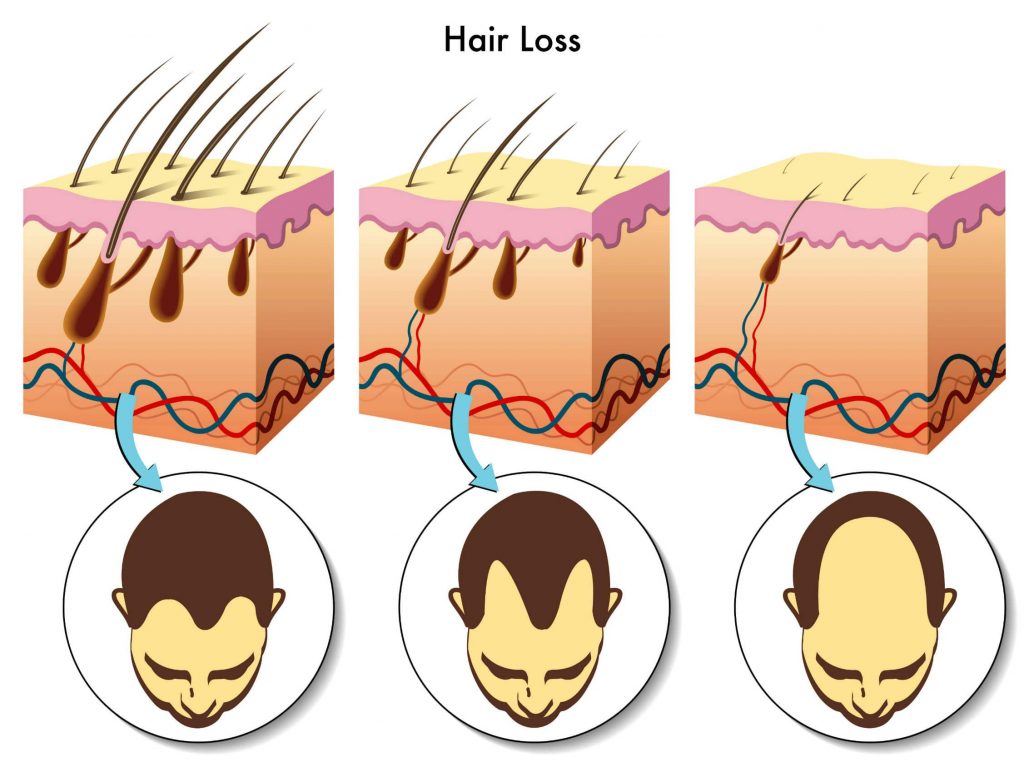
In other words, the telogen phase is crucial to the formation of healthy hair. You can’t pull out a hair follicle, as it’s the structure within your skin that holds your hair. If you pull out a strand of hair, you might notice a bulb or round ball (root) attached to the end of the hair strand. The root is surrounded by nerve fibers that let you feel when your hair moves or you touch your hair. Removing this root doesn’t mean your hair won’t grow back, because in most cases, it will. We've all experienced the frustration of pulling out a hair by accident or in a moment of stress.